
Introduction
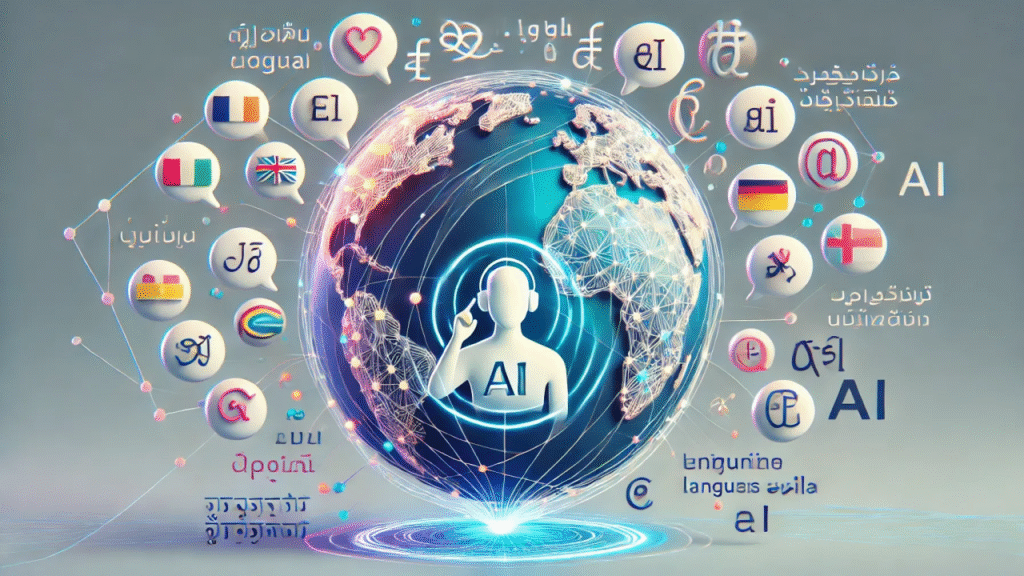
Language education has undergone significant changes in the last decade. The emergence of Artificial Intelligence (AI) tools has transformed language learning from a traditional method into a smart, personalized, and interactive process. These tools not only accelerate the pace of learning but also enhance the quality of the educational experience.
The Role of AI in Language Education
- Personalization of Learning: AI tools can tailor the learning path for each student based on their individual needs, knowledge level, and goals. This makes learning more effective and motivating.
- Instant and Accurate Feedback: AI-based systems can quickly identify writing and speaking errors and provide corrective suggestions. This feature helps language learners correct their mistakes in real-time.
- Interactive Exercises: Chatbots and smart assistants facilitate real-life conversation. Learners can strengthen their speaking skills in a safe environment without anxiety.
- Access to Extensive Resources: AI tools can suggest diverse texts, videos, and exercises based on the learner’s level, thereby providing richer educational resources.
Research Findings
A study published in the ELT Journal (Oxford Academic) indicates that using AI tools in language education can increase learner autonomy and create a more inclusive and equitable environment. The authors, Fruzsina Szabó and Joanna Szoke, emphasize that AI not only helps learners control their own learning path but also enables more active participation from various groups of language learners.
Advantages and Challenges
- Advantages: Increased motivation, faster learning, reduced anxiety in conversation, and access to diverse resources.
- Challenges: Excessive dependence on technology, ethical issues regarding data usage, and the need for instructor training to effectively utilize these tools.
Conclusion
AI tools in language education have created unique opportunities for both learners and instructors. Despite the challenges, the intelligent use of this technology can elevate the quality of language learning and guide the educational path toward a personalized and inclusive future.
 Credible Source:
Fruzsina Szabó, Joanna Szoke (2024). How does generative AI promote autonomy and inclusivity in language teaching? ELT Journal, Volume 78, Issue 4, Oxford Academic. DOI: 10.1093/elt/ccae052


One Response
بسیار عالی بود